


 BACK TO BLOG HOME
Flat Roof vs. Shingles: Key Differences and the Best Option for Your Home
September 20, 2026


Quick Summary
ROOF EZ INC. compares flat roofing systems and shingle roofs to help homeowners understand where each option works best. This guide examines roof slope, drainage, installation, maintenance, lifespan, energy considerations, appearance, and Southwest Florida weather. It also explains why the structure of your home often determines which roofing system makes the most sense.
When homeowners compare flat roof vs. shingles, one distinction matters from the start. A flat roof describes a low-slope roof design, while shingles are an exterior roofing material normally installed on pitched roofs. At ROOF EZ INC., we help Southwest Florida homeowners evaluate their existing roof, property needs, and budget before choosing a roofing system.
What Is A Flat Roof?
Despite its name, a flat roof should not be completely level. It has a slight slope that directs rainwater toward drains, scuppers, gutters, or other designated drainage points.
Because water moves more slowly across a low-slope surface, conventional shingles are generally not suitable as the primary covering. Flat and low-slope roofs instead use systems designed to form a continuous, water-resistant surface.
Common low-slope roofing materials include membrane systems and modified bitumen products. The appropriate system depends on the roof structure, building design, drainage requirements, and other conditions specific to the project.
Flat roofs are common on commercial properties, but they also appear on modern homes, additions, patios, garages, and specific sections of residential buildings.
What Is A Shingle Roof?
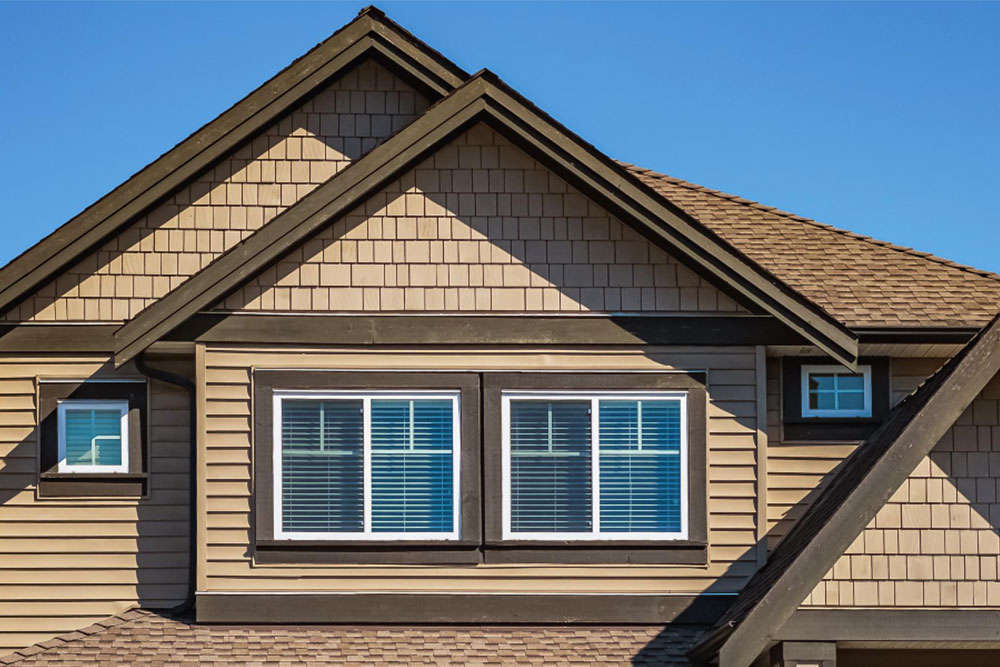
Shingle roofing generally refers to asphalt shingles installed over a pitched roof. Individual shingles overlap one another so that water flows downward across the surface and toward the eaves.
Asphalt shingles remain popular for residential properties because they come in a broad range of colors and styles. They can complement traditional, transitional, and contemporary home exteriors.
The roof needs adequate slope for shingles to shed water correctly. Installing shingles on an unsuitable low-slope surface can leave moisture where the roofing system was not designed to manage it.
For that reason, homeowners cannot always choose between flat roofing and shingles based on appearance alone. Existing roof pitch plays a major role in determining which system is appropriate.
Flat Roof vs. Shingles: How Drainage Differs
Drainage represents one of the most significant differences between these two roofing approaches.
A pitched shingle roof uses gravity to move rainwater across overlapping shingles. Water typically reaches the gutters or roof edges relatively quickly.
A flat roof moves water more gradually. Its slight pitch directs rainfall toward designated drainage points rather than relying on a steep slope.
This distinction deserves particular attention in Southwest Florida. Heavy rainfall can place substantial volumes of water on a roof within a short period. Flat-roof drains and surrounding areas should remain clear so water has an unobstructed path away from the surface.
Poor drainage can contribute to standing water. Over time, that condition can place additional stress on the roofing system and expose vulnerable areas to prolonged moisture.
Which Option Costs More?
Roofing costs depend on far more than the material itself.
Roof size, accessibility, existing damage, tear-off requirements, deck repairs, flashing, drainage, labor, and the chosen product all affect the final price.
Shingle roofs can offer a relatively straightforward installation on homes already designed for shingles. The broad range of available products also gives homeowners options at different price points.
Flat roofs can require specialized materials and installation techniques. Drainage details and penetrations need careful attention because the roof relies on a continuous surface to manage water.
Instead of comparing only an advertised price per square foot, look at the entire roofing project. At ROOF EZ INC., we focus on quality service and competitive pricing while considering the needs of the complete roof.
How Does Maintenance Compare?
Every roof requires periodic maintenance, but the areas that need attention can vary between systems.
On a shingle roof, homeowners may notice missing, lifted, cracked, or otherwise damaged shingles. Flashing around vents, roof intersections, and other penetrations also deserves regular inspection.
Flat roofs require particular attention to drainage. Leaves, debris, and other materials can obstruct drains and cause water to collect on the surface. Seams, penetrations, flashing, and areas prone to standing water should also be inspected.
Neither roofing option is maintenance-free.
Regular inspections can identify minor damage before it develops into a more extensive repair. An inspection is also worth considering after severe storms or periods of strong winds.
How Do The Two Options Handle Florida Weather?
Both roofing systems can perform effectively when they suit the structure and receive proper installation.
A pitched roof has the advantage of moving heavy rainfall away from the surface relatively quickly. Its exposed edges, shingles, flashing, and connections must still withstand strong winds and other weather conditions.
A flat roof presents a different profile to the wind, while drainage becomes especially important during heavy rainfall. Penetrations and roof edges also require careful detailing.
Florida roofing decisions should account for more than ordinary day-to-day conditions. Wind-driven rain and tropical storms can place stress on areas that might otherwise seem relatively minor.
ROOF EZ INC. brings local roofing experience to Southwest Florida projects. Our company also holds roofing and solar licenses in Florida, providing additional insight when roofing and solar considerations overlap.
Are Flat Roofs More Energy Efficient?
Roof shape alone does not determine energy efficiency.
Roofing color, reflectivity, insulation, ventilation, attic design, and the complete building envelope can all affect heat transfer.
Some low-slope roofing systems are available with highly reflective surfaces that can reduce solar heat absorption. Shingles are also available in different colors and products designed with energy considerations in mind.
Homeowners should look at the complete roof assembly rather than assuming one shape will automatically lower energy bills.
If energy performance is a major goal, discuss insulation and roofing material choices during project planning.
Which Roof Gives You More Design Flexibility?
The right answer depends largely on the home’s architecture.
A flat roof can create a clean, modern appearance. It may fit additions, contemporary homes, covered outdoor areas, and properties where homeowners want a lower roof profile.
Shingle roofs work naturally with pitched designs and come in many colors and profiles. They can complement a wide range of residential styles.
Changing from one roof shape to another is not the same as changing roofing material. Converting a pitched roof into a flat roof, or the reverse, can involve structural changes, engineering, framing, drainage, and permits.
If your existing roof shape works well, replacing it with an appropriate roofing system is often much simpler than redesigning the structure.
What About Solar Panels?
Both roof styles may accommodate solar, but the installation approach differs.
A pitched shingle roof has a fixed orientation and angle. Those characteristics influence where solar panels can be positioned.
Flat roofs may offer additional flexibility for panel orientation because mounting systems can position panels at an angle. However, roof structure, drainage paths, penetrations, shading, and wind requirements still need consideration.
If you expect to add solar in the future, discuss that plan before replacing your roof. Installing a new roof and then altering it shortly afterward can create unnecessary work.
Which Roofing Option Is Best For Your Home?
In many cases, the home’s existing structure provides the answer.
A properly pitched roof may be well suited to shingles. A genuinely low-slope section requires a roofing system designed specifically for that pitch.
If both approaches are feasible as part of a larger construction or remodeling project, compare drainage, architectural style, maintenance, materials, cost, and long-term plans.
Do not choose based solely on which option appears less expensive initially. Roofing protects the structure beneath it, so compatibility and installation quality are critical.
For Southwest Florida homeowners comparing different types of roofs for your houses, local weather should also factor into the decision. Heavy rainfall, intense sunlight, humidity, and storm exposure can influence which materials and design details are appropriate.
Get Help Choosing The Right Roofing System
The best roof is the one that fits your home’s structure, local conditions, budget, and long-term plans. Flat roofing and shingles can both be practical choices when used in the right setting.
At ROOF EZ INC., we handle roofing projects throughout Southwest Florida with a focus on quality service, competitive pricing, reliable workmanship, and customer satisfaction. If you are planning a roof replacement or need help understanding your current roof, contact us to request a quote or schedule an appointment.
FAQs
Shingles generally need sufficient roof slope to shed water as intended. Low-slope and flat roofs typically require roofing systems specifically designed for slower drainage. A roofing contractor can measure the slope and determine which materials are appropriate for the structure.
A flat roof is not automatically more likely to leak. Proper installation and drainage are major factors. Problems can develop when water ponds, drains become blocked, seams fail, or penetrations deteriorate. Shingle roofs can also leak when shingles, flashing, or other components become damaged.
Pitched shingle roofs naturally move water quickly, while flat roofs rely on carefully planned slopes and drainage points. Either can handle rainfall when correctly designed, installed, and maintained. Drainage condition is particularly important on a low-slope roof.
Not necessarily. Price depends on roof size, materials, labor, removal requirements, repairs, drainage, accessibility, and other project details. Comparing complete estimates is more useful than assuming one roofing type always costs less.
Yes, solar panels can potentially be installed on both pitched shingle roofs and flat roofs. Mounting methods differ, and the roof’s condition, orientation, drainage, structure, and remaining service life should be reviewed before installation.

Free Roof Inspections & Estimates
Financing Available. No Money Down.

Southwest Florida's Most Trusted Roofer
Roof EZ is a proud veteran-owned and operated company located in Cape Coral, FL. Our headline “Where We Make it EASY” is more than just a motto for us, it's also our promise to the way we provide service! We offer all residential and commercial

Free Roof Inspections & Estimates
Financing Available. No Money Down.
Financing Available. No Money Down.